
From Internal Data to Industry Product: Monetizing Data and AI with Databricks OpenSharing and Marketplace
Manan Thakar
Nov 19, 2026
TL;DR: Most companies hold data, models, and expertise that others in their industry would pay for, but they rarely share it. Databricks OpenSharing, which grew out of Databricks Delta Sharing, and Databricks Marketplace let you package these assets as governed products and deliver them on almost any platform. This blog explains what you can share, how it stays secure, and how Jade Global helps turn it into a working data monetization strategy.
Many domain-led companies have a second business they’ve never launched. It’s built from the data, models, and expertise they developed to run the first one. Take a pharmaceutical company with years of trial outcomes on file, or an insurer that has collected claims history for decades. Even a manufacturer pulling telemetry from thousands of machines is in the same position.
Others in the same industry would pay for what those assets reveal. Yet most never leave the building. The data is full of internal codes, regulated information must be protected first, every licensing deal is custom, and buyers work on different platforms.
Databricks OpenSharing and Databricks Marketplace are starting to change this. With the two, you can package data, models, and even AI agents as governed products and get them to partners and customers, whatever platform those buyers use. Plenty of companies have talked about a data monetization strategy for years. This is the first time it looks doable for most of them.
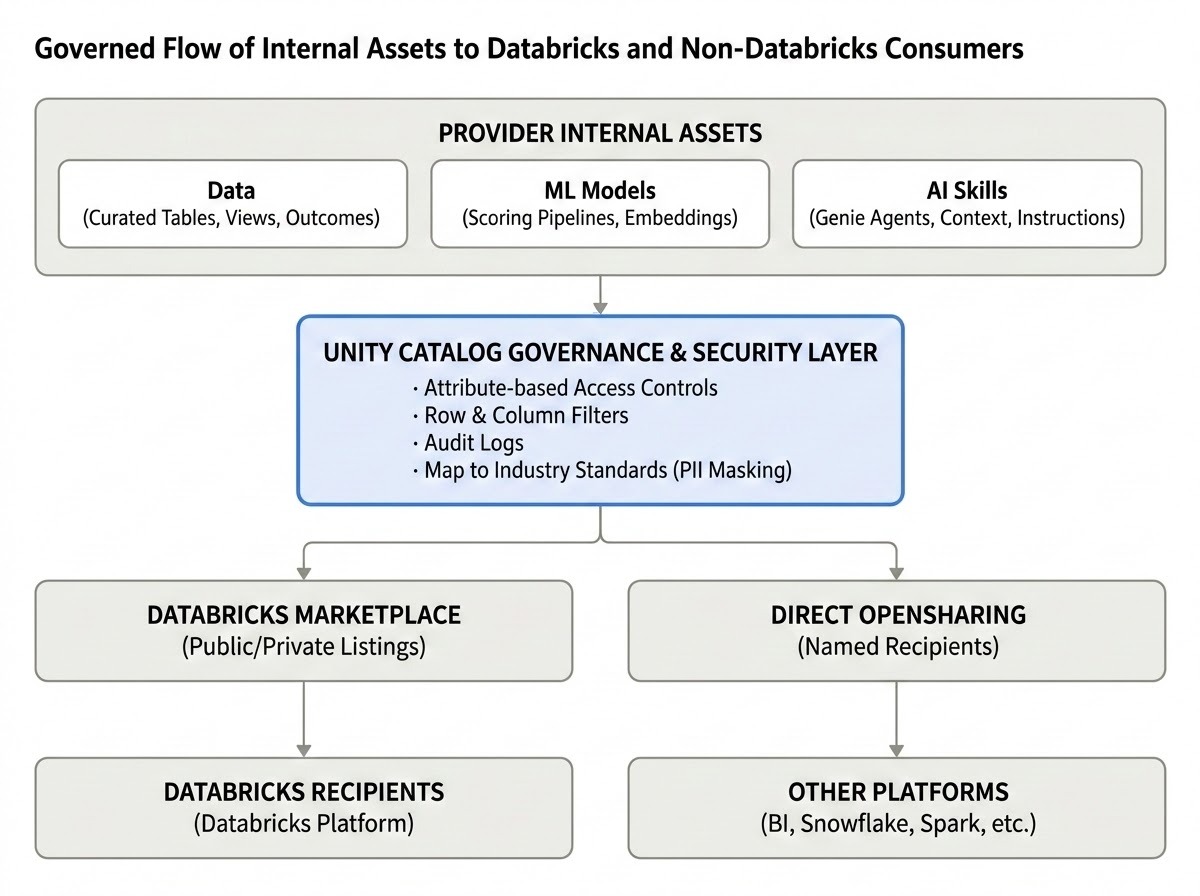
Figure 1: Architectural overview of Databricks OpenSharing, Marketplace, and Unity Catalog
What OpenSharing and Marketplace bring together
Databricks OpenSharing is an open protocol for sharing data and AI assets with other organizations, whether or not they use Databricks. Announced in June 2026 as the evolution of Delta Sharing, it is now hosted by the Linux Foundation. Its predecessor already served more than 28,000 data recipients (Databricks).
Databricks Marketplace is the storefront on top, where providers publish datasets, notebooks, models, MCP servers and apps, publicly or through private exchanges for invited partners only (Databricks documentation). Underneath both, Unity Catalog governs who sees what and records every access.
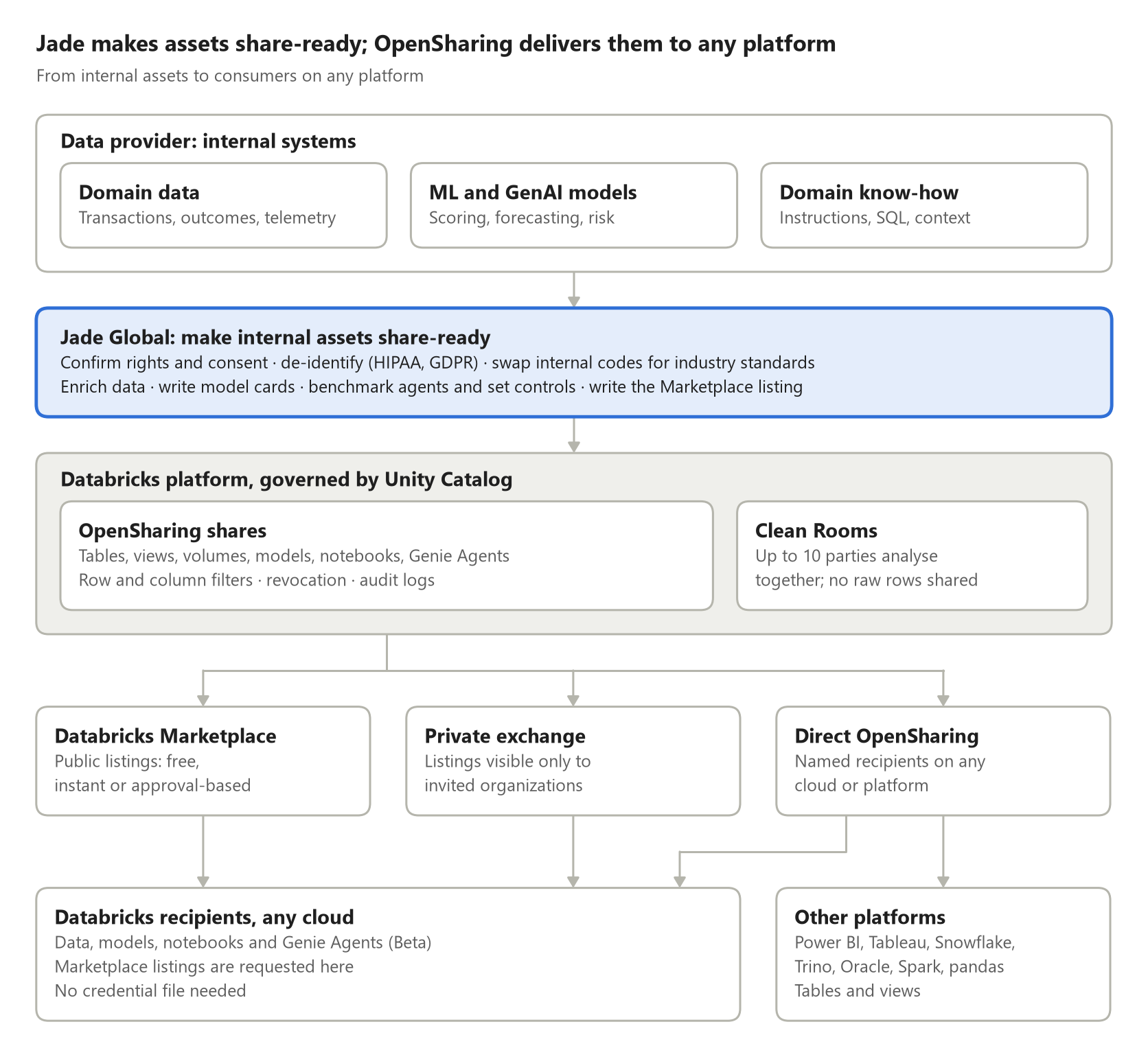
Figure 1: How assets move from a provider's internal systems to consumers on any platform
What you can share: from data to AI skills
Sharing now covers three kinds of assets, each carrying more of what your organization knows. Clinical research shows how each one works.
1. Enriched data products
Once data has been cleaned up and enriched on the Databricks Lakehouse, it can be sold as a product. That might be a benchmark, a reference dataset, market signals, or de-identified outcomes. The value is that a newcomer would find it hard to rebuild any of it.
Example: A pharmaceutical company offers de-identified, aggregated outcome data from years of studies to biotechs and CROs planning their own programs.
2. Machine learning and GenAI models
Fine-tuned LLMs, MLflow models, embeddings and scoring pipelines in Unity Catalog can be shared with Databricks recipients and listed on Marketplace, without handing over the data behind them.
Example: The same company lists its mature trial pre-screening model, which estimates a patient's suitability and adverse-event risk for a study. CROs and other sponsors subscribe to it, with investigators still making the final call.
3. AI skills and context
OpenSharing extends to Genie Agents, agent skills, instructions and semantic context, so partners can ask domain questions in plain language and get answers grounded in your expertise.
Example: The company shares a site feasibility agent built on historical enrolment and screen-failure rates. A biotech asks which sites enrolled Phase II oncology patients fastest, and gets the answer without ever receiving site-level records.
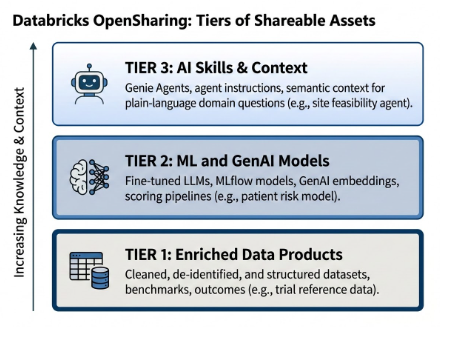
Figure 2: Three tiers of shareable assets available via OpenSharing
Availability (September 2026): table, view and model sharing and Marketplace are generally available. Genie Agent sharing is in Beta. Agent-skill sharing over the open protocol was announced in June 2026.
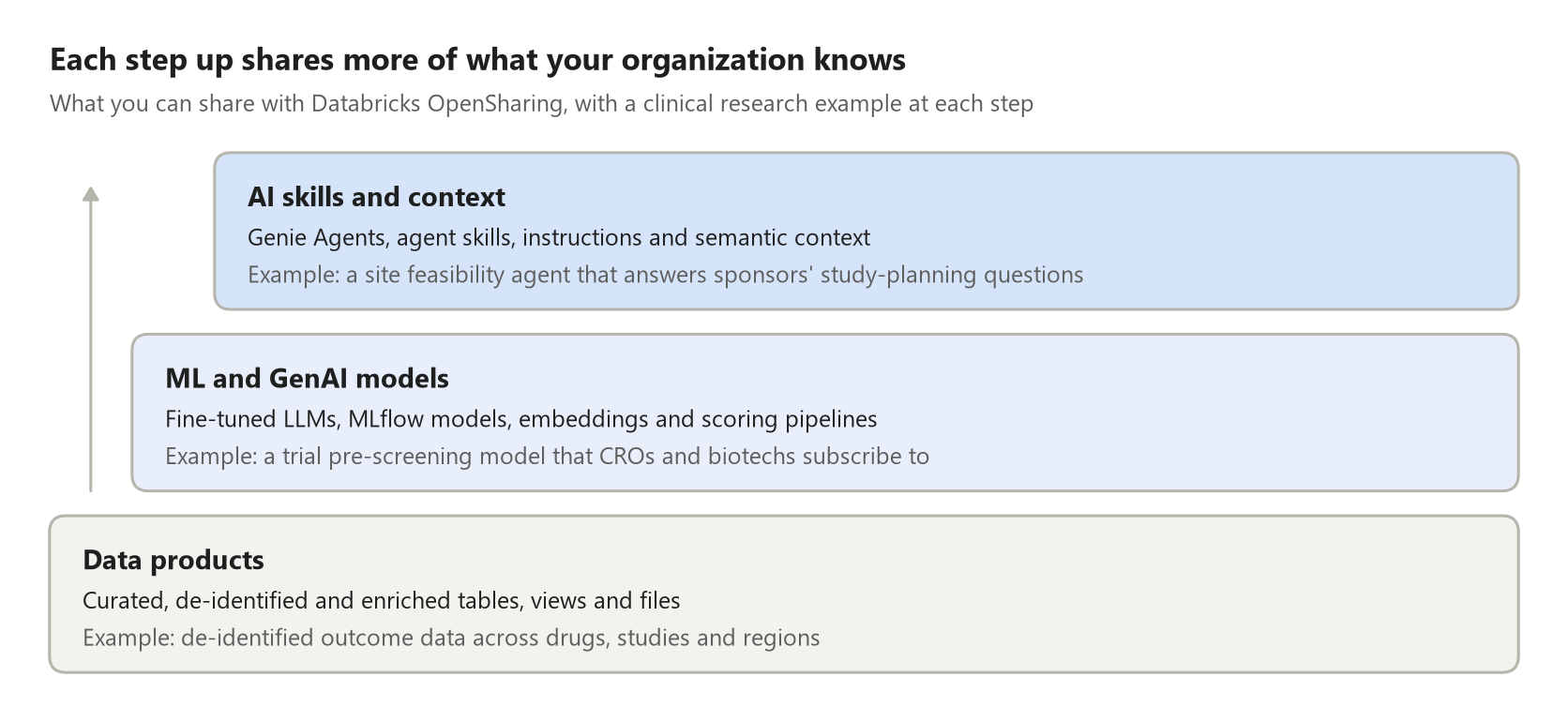
Figure 2: Three kinds of shareable assets, from data products to AI skills
A win-win-win exchange
- Providers earn new revenue from experience they have already paid to build.
- Consumers get trusted, ready-to-use insight instead of rebuilding it from scratch.
- The industry moves faster when proven data and models are reused. In life sciences, that ultimately helps therapies reach patients sooner.
Share the insight, not the risk
- Fine-grained access: You decide what each recipient sees. Unity Catalog permissions handle the basics, and dynamic views go further by hiding certain rows or masking columns for one buyer but not another.
- Control and visibility: Access works through tokens or OIDC federation, and you can pull it whenever you need to. Audit logs show exactly who looked at what.
- Clean Rooms: Sometimes partners need to work on data together. Clean Rooms allow up to ten organizations to do that without any of them seeing the others’ raw records(Databricks documentation).
No Databricks? No problem
Consumers can read shared data directly from Power BI, Tableau, Snowflake, Trino, Oracle, SAP Business Data Cloud, Apache Spark, and pandas (Databricks).
Where Jade Global adds value
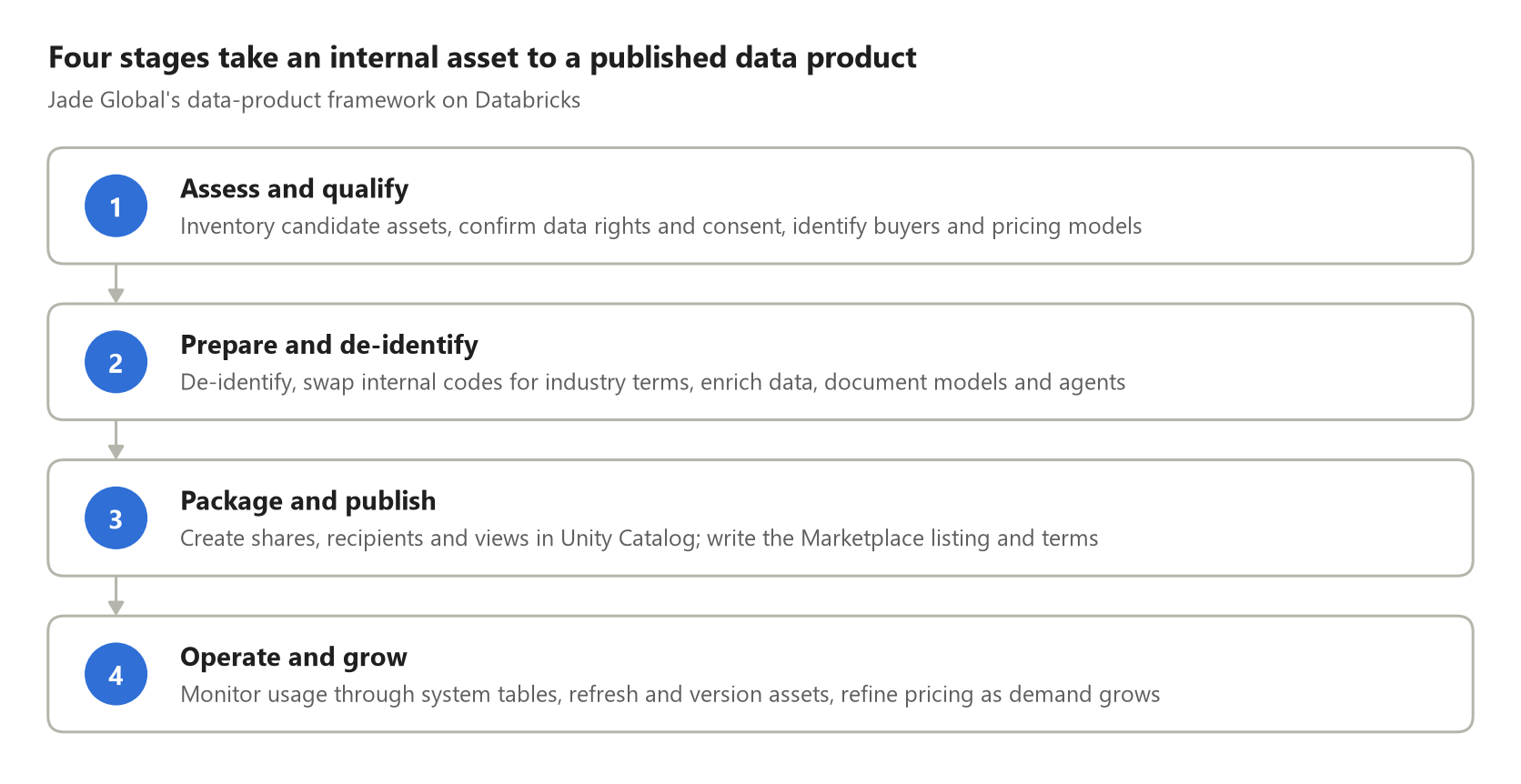
The share button is the easy part. Assets built for internal use cannot be shared as they are. Jade Global makes them fit and safe for outside use in four stages:
- Assess and qualify: inventory candidate assets, confirm data ownership and consent, and identify buyers and pricing.
- Prepare and de-identify: First, remove anything personal or confidential. In regulated industries, that usually means meeting HIPAA and GDPR. Next comes the jargon. Internal codes that make sense to your team won’t mean much to a buyer, so we rename things in industry terms. We also document the models, and before an agent goes anywhere, we run real partner-style questions to see how it holds up.
- Package and publish: This is where Unity Catalog comes in. We set up the shares and views there, then write the Marketplace listing. A good listing includes samples, documentation, and terms a buyer can follow without a call.
- Operate and grow: We monitor usage once it’s live. Assets get refreshed and versioned as the data changes, and pricing usually needs a second look once you see who’s buying.
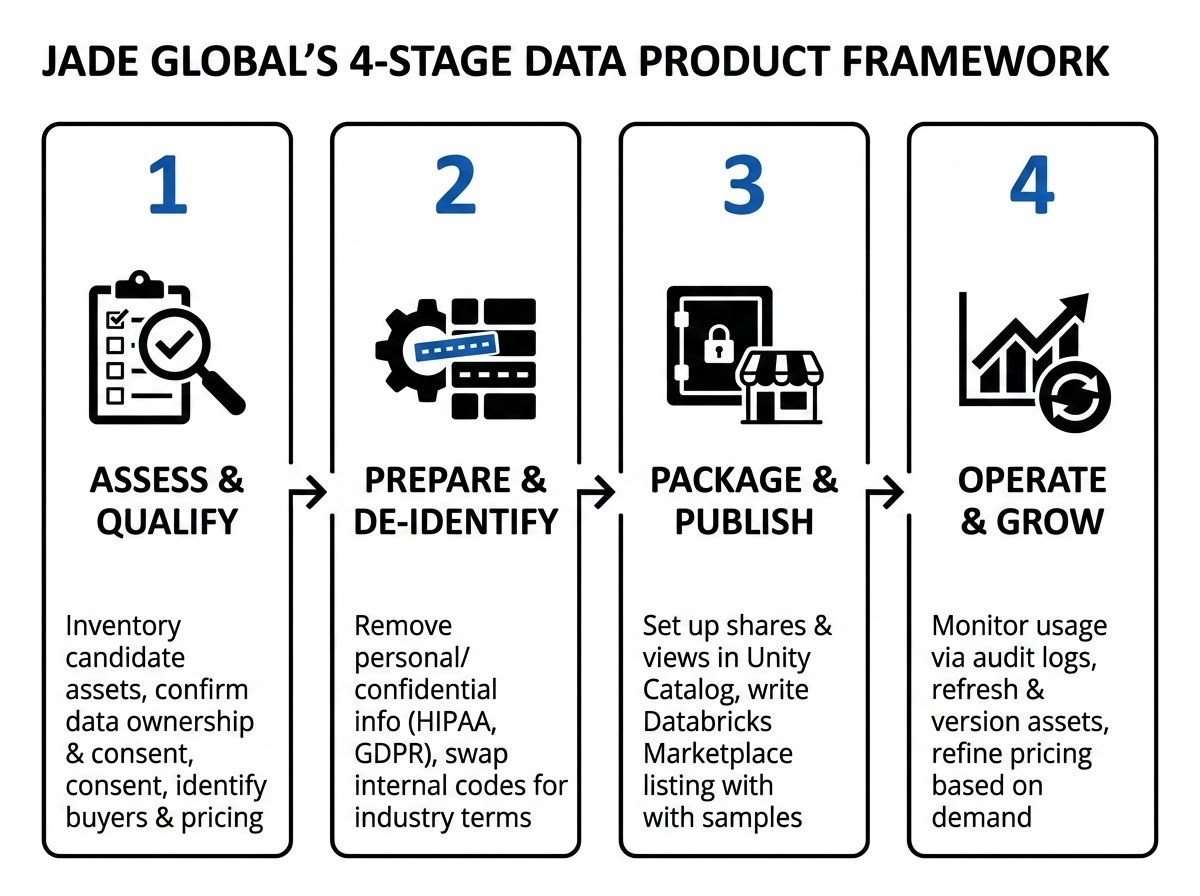
Figure 3: Jade Global's 4-stage framework for data monetization
Why Jade Global
- Both sides of the exchange: Most partners only work with the seller. We work with both sides. We help providers get their assets published, and we help buyers find listings that fit, test them, and put them to use.
- Governance first: Nothing gets shared until the basics are settled: who owns the data, whether consent covers outside use, and whether it’s been properly de-identified.
- Data and AI together: one consistent method for data products, models and agents.
- Built to run: usage monitoring, versioning and refresh cycles from day one.
Turn your expertise into a product
Your organization's experience is already an asset. Databricks OpenSharing and Marketplace give you a governed way to deliver it as data, models, and AI skills, on almost any platform. As a Databricks Strategic Partner, Jade Global works with enterprises across industries to get there safely and quickly.
Ready to find out which of your assets are market-ready? Book a Data Product Readiness Assessment with Jade Global's Databricks experts.
Frequently asked questions
1. What is Databricks OpenSharing?
An open protocol, hosted by the Linux Foundation, for securely sharing data and AI assets across organizations and platforms. It is the evolution of Delta Sharing.
2. What is the difference between OpenSharing and Delta Sharing?
Databricks Delta Sharing focuses on sharing data. OpenSharing keeps the same open protocol and extends it to models, Genie Agents, agent skills, and semantic context.
3. What can you sell on Databricks Marketplace?
Datasets, notebooks, models, MCP servers and apps, listed publicly or through private exchanges. It gives any data monetization strategy a ready route to buyers.
4. Does OpenSharing cost extra?
The protocol itself is open and free. Recipients pay for their own compute, and cloud egress charges may apply across regions or clouds.
5. What are Databricks Clean Rooms used for?
Joint analysis. Up to ten organizations can work on combined data without seeing each other’s raw records.
6. Do consumers need Databricks?
Not for direct shares. Recipients can use Power BI, Tableau, Snowflake, Spark, and more. Requesting a Marketplace listing requires a Databricks workspace.
7. Can buyers use existing Databricks commits to purchase Marketplace listings?
For eligible paid listings, yes. Buyers should confirm with their Databricks account team, or ask a Databricks consulting partner like Jade Global to help evaluate the options.
8. Do consumers need Databricks?
Not for direct shares. Recipients can use Power BI, Tableau, Snowflake, Spark, and more. Requesting a Marketplace listing requires a Databricks workspace.
9. Who is the best Databricks partner for data monetization?
Look for a partner that covers the full journey, from readiness and de-identification to Marketplace listings and ongoing operations. Jade Global, a Databricks Strategic Partner, works across all of these stages.
10. Why choose a Databricks consulting partner for Marketplace and OpenSharing implementation?
Sharing takes minutes, but making assets fit for outside use takes much longer. A partner like Jade Global handles data rights, de-identification, packaging, and pricing, so your listings are ready for buyers from day one.
Subscribe to our email Newsletter
Popular Posts




About the Author